
Introduction
When people think of poverty, they often picture distant regions or low-income countries. Yet one of the most overlooked realities today is the rise of hidden poverty in North America. Despite being home to some of the world’s largest and wealthiest economies, millions of people in the United States and Canada struggle quietly with basic expenses such as housing, food, health and transport.
According to official U.S. poverty statistics, around 35–36 million people were living in poverty in 2024, representing an official rate of 10.6 percent. In Canada, recent reports show that nearly child poverty in Canada affects close to one in five children, with rising living costs reversing earlier progress. These numbers are significant on their own, but they still understate the full picture because much of the hardship is not captured by traditional definitions.
What Do We Mean by “Hidden Poverty”?
Hidden poverty describes people who appear “normal” or stable on the surface, but live with constant economic strain. They may have a job, a rental apartment and a smartphone, yet are unable to build any financial cushion or consistently cover essentials.
In many North American cities,households spend 50–60 percent of their income on housing alone. When rent is combined with healthcare costs, childcare, debt repayments and transport, very little remains. These families are not always classified as poor under strict income thresholds, but their economic vulnerability is undeniable.
Growing research on hidden poverty highlights several recurring patterns: the working poor who cannot escape monthly deficits, families in long-term medical debt, parents skipping meals to feed their children, and young adults locked out of education or training because of costs.
Why Traditional Measures Fail to See It
Conventional poverty measures still rely heavily on fixed income lines. If a household earns just above the official threshold, it is often treated as “out of poverty”, even when its real purchasing power is eroded by local prices and unavoidable expenses.
This approach rarely adjusts fully for:
- Regional housing inflation
- Childcare and eldercare costs
- Out-of-pocket healthcare expenses
- Household debt and financial shocks
- Access to reliable digital tools and connectivity
As a result, official North America poverty figures can improve on paper while lived hardship remains the same or worsens. Canada’s multidimensional poverty measures already show gaps between income-based views and broader deprivation
How AI Changes Our View of Poverty
This is where AI-powered poverty analysis and AI-based poverty mapping are starting to reshape the conversation. Rather than relying on a single income threshold, AI models can analyse many variables at once: rents, wages, inflation, health data, school dropout rates, mobility patterns and more.
Using machine learning and geospatial analysis, researchers can now build AI and satellite-based poverty models that highlight where economic risk is rising, even before it is visible in official statistics. These tools make it possible to:
- Identify neighbourhoods where people are at risk of falling into poverty
- Distinguish between short-term shocks and chronic structural problems
- Compare how different regions respond to the same economic pressures
- Support more targeted funding and policy interventions
In practical terms, this means moving from static, backward-looking poverty reports to dynamic, forward-looking risk maps.
From Aid to Intelligence
The real opportunity lies in shifting from reactive aid to intelligence-driven poverty response. Instead of waiting until eviction rates, food bank usage or homelessness spike, donors, foundations, NGOs and public agencies can act on early signals of distress.
Platforms built around impact intelligence for poverty can combine official statistics, local data and AI models to show where support will have the greatest effect. This kind of approach does not replace human judgment; it gives decision-makers a clearer, more honest view of where people are struggling and why.
The Human Side of Hidden Poverty
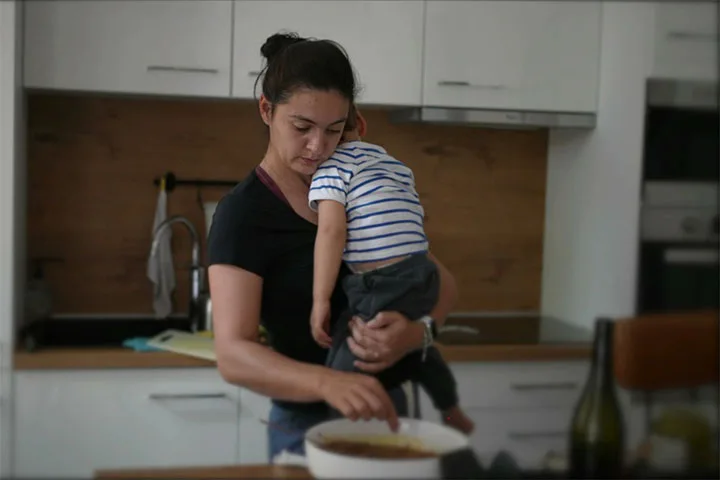
Behind every model and map are individual lives. A single mother in a large city who works two jobs yet still falls behind on rent; a middle-income family pushed into long-term debt by an illness; a student who appears “connected” on social media but has no realistic path into higher education because of costs. None of them fit the older stereotype of poverty, yet all face ongoing insecurity.
Understanding modern economic struggle in North America requires us to see poverty as multidimensional: not just a lack of income, but a lack of stability, opportunity and resilience. When we recognise hidden poverty, we also recognise how fragile many lives have become, even in countries that are statistically wealthy.
Looking Ahead
The future of poverty work in North America will be defined by how effectively we combine technology, policy and human insight. AI can reveal patterns and probabilities; poverty mapping and geo-analytics can show where help is most needed; but communities, local organisations and social workers are still essential to interpret the data and design solutions that respect dignity.
Hidden poverty is more than a statistical anomaly. It is a warning that traditional indicators no longer tell the full story. To respond meaningfully, we need better tools, better data and a more honest understanding of what it means to live on the edge in wealthy societies.
FAQs
What is hidden poverty?
Hidden poverty refers to people who do not appear poor under traditional income measures but still struggle to cover essential needs due to high living costs, debt and limited access to services.
Why is poverty “hidden” in wealthy countries?
Because many measures focus narrowly on income and ignore housing, healthcare, childcare, digital access and other pressures that shape real-world economic security.
How can AI help address poverty?
AI can analyse multiple data sources at once, detect emerging risk patterns, power AI-based poverty mapping, and support earlier, more precise interventions.